

Indian Wedding Catering in Melbourne's South East: Traditional Feast Dishes vs Modern Set Menu Options
Wedding food brings families together, respects traditions and gives guests a meal to remember. Couples may be choosing between a traditional Indian feast and a modern set menu. Both approaches create different experiences. The right choice depends on the couple's preferences, guest list, venue, budget and the kind of celebration they want to host.
Start With the Wedding You Want
Before comparing menus, picture how the reception will flow. Will guests gather around shared tables, move between food stations or remain seated for a planned series of courses? Consider guest ages, event length and the meal's place in the celebration.
A traditional feast often suits couples who want abundance, variety and a strong connection to family food customs. A set menu may suit a more structured reception where timing and presentation are priorities. Choose the format that feels right to the couple.
The Warmth of a Traditional Feast
A traditional feast makes food part of the celebration. Guests may enjoy curries, rice, breads, snacks, salads and sweets that reflect family preferences or regional influences. Sharing food encourages conversation and lets people build a plate that suits their appetite.
Variety helps when guests have different tastes. Some may prefer vegetarian dishes, while others look forward to meat options and familiar favourites. However, a larger spread needs careful planning. The couple and caterer should agree on quantities, serving arrangements, dietary labels and how food will be kept at safe temperatures.
Why Modern Set Menus Appeal
A set menu offers an organised dining experience. Rather than presenting many dishes at once, the meal follows an agreed sequence. Guests may receive a starter, main course and dessert, with choices confirmed before the wedding or selected from a limited range.
This format can simplify service when the reception includes speeches or performances. It can also create a consistent experience for guests. The trade-off is less freedom to sample widely, so menu choices should be discussed before final numbers are confirmed.
Traditional Feast or Set Menu?
| What matters | Traditional feast | Modern set menu |
|---|---|---|
| Dining style | Shared variety and choice | Planned courses |
| Guest experience | Flexible and social | Structured and paced |
| Menu range | Often broader | Usually more focused |
| Event timing | Needs serving coordination | Easier to schedule |
| Best fit | Families who enjoy a generous spread | Receptions with a set programme |
A caterer may be able to combine both styles, such as offering shared starters followed by plated mains.
Choosing Dishes Guests Will Enjoy
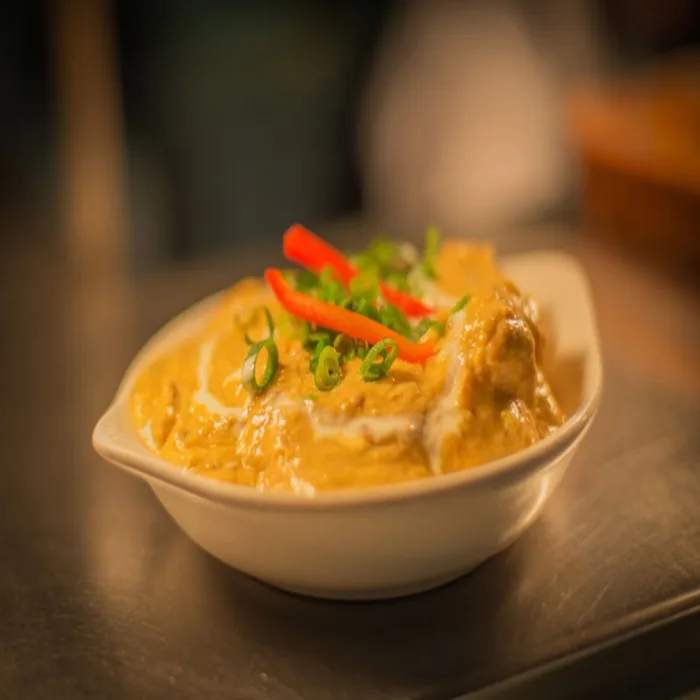
The menu should reflect the couple without making guests feel that they have limited options. Include dishes that are meaningful to the families, then balance them with familiar choices. For example, butter chicken berwick may be a useful search phrase for local diners looking for a well-known Indian favourite, but couples should confirm the actual dish, preparation and availability with their chosen caterer.
Ask how spice levels can be managed and whether vegetarian, vegan, gluten-free or other dietary requirements can be accommodated. Confirm ingredients and cross-contact procedures directly rather than relying on a menu label alone.
Questions to Ask Before Booking
A useful catering conversation covers more than the food list. Ask who supplies serving equipment, how staff numbers are planned and whether setup, service and pack-down are included. Discuss tasting arrangements, final guest numbers, payment terms and the deadline for changes.
Also clarify how the team will handle late arrivals, children’s meals and guests with allergies. Request a written proposal that explains what is included and identifies any extra charges. Clear details support fair comparisons and reduce uncertainty.
Making the Meal Part of the Celebration
Food can help express the story of a wedding. Family recipes may carry memories, while a carefully chosen contemporary menu can reflect the couple’s shared tastes. Good indian wedding catering brings those ideas together with practical service, portions and clear communication.
Whether the couple chooses a generous feast, a plated menu or a blend of both, the aim is the same: guests should feel welcomed and well cared for. Discuss the plan early, confirm every detail in writing and leave room for the celebration to unfold naturally.
Conclusion: Choose What Feels Right
There is no menu format that suits every Indian wedding in Melbourne’s South East. A traditional feast offers choice and a sense of shared abundance, while a modern set menu brings structure and predictable timing. Consider the venue, guest needs, family traditions and reception schedule before deciding. With a clear plan and an experienced catering team, the meal can become a meaningful part of the day, giving guests something enjoyable to share and remember.

Leave a Comment
Comments (0)